
The 3-Day Live Implementation Event
For Business Owners Who Want To Stop “Using AI”... And Start Building A Business That Can Actually Think, Remember And Execute With It.
Be the first to know when registration opens and receive early access to event details, ticket options and important announcements.
No spam. Just important event updates.
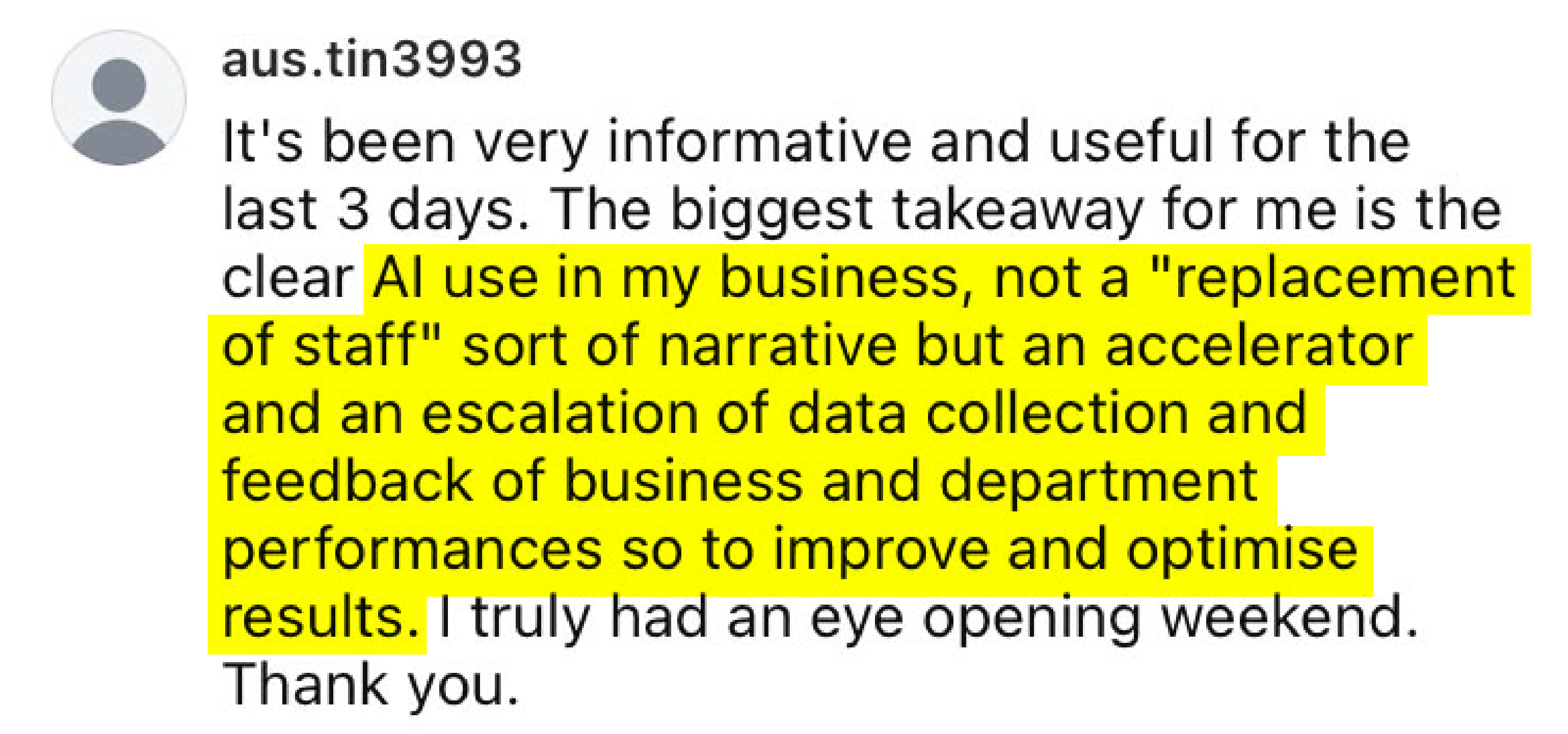
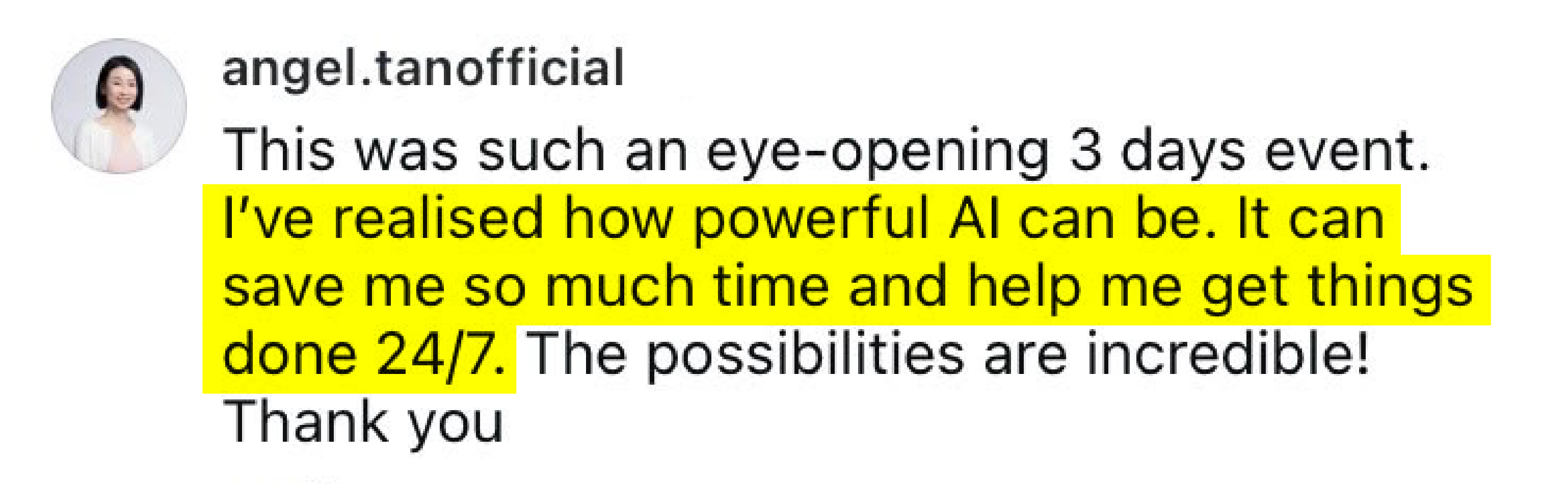
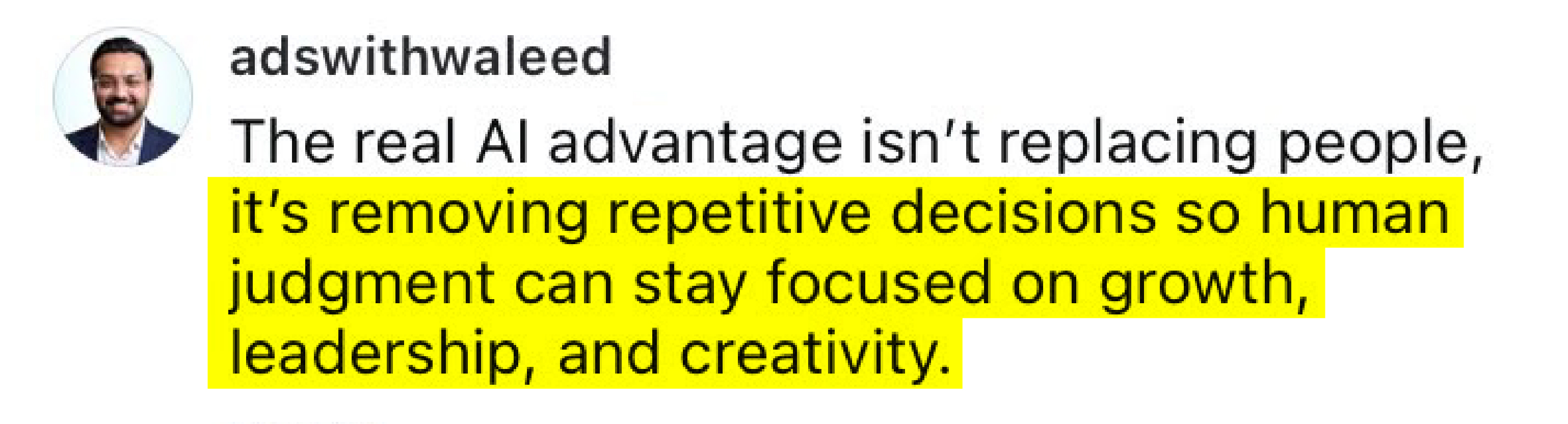
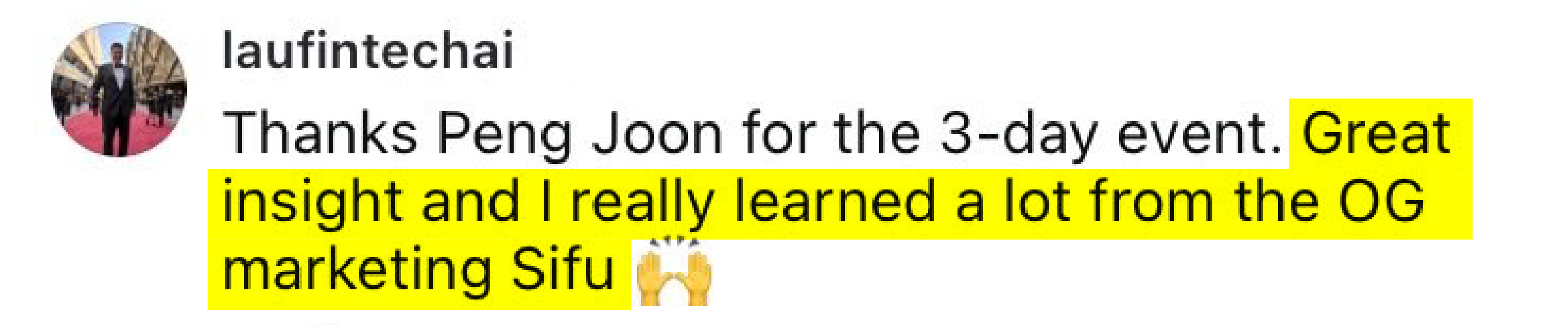
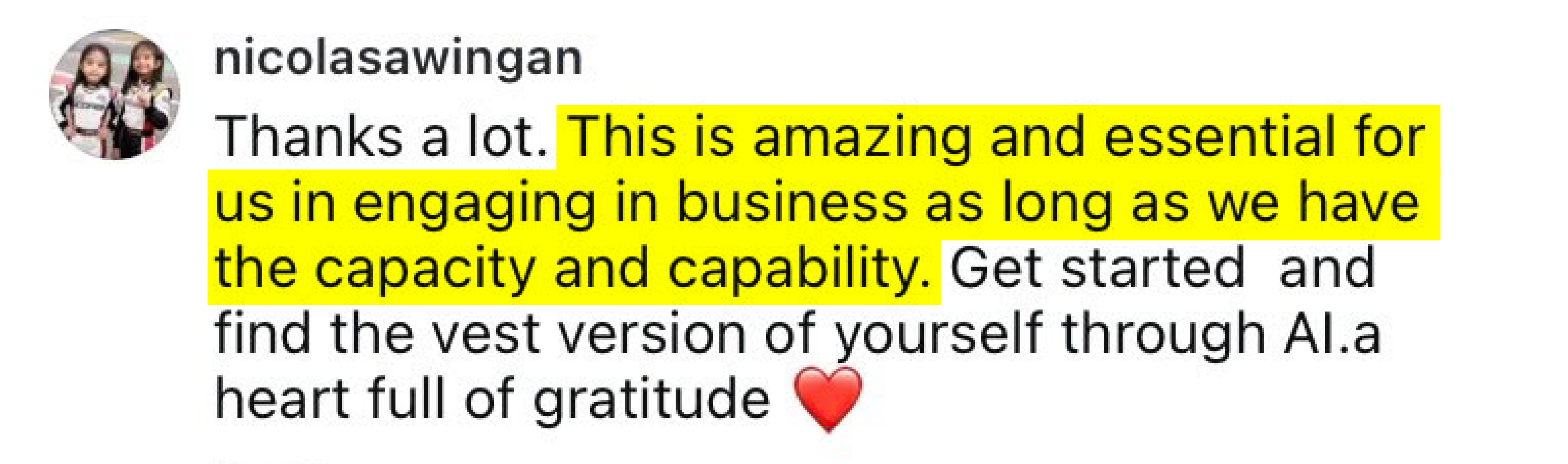
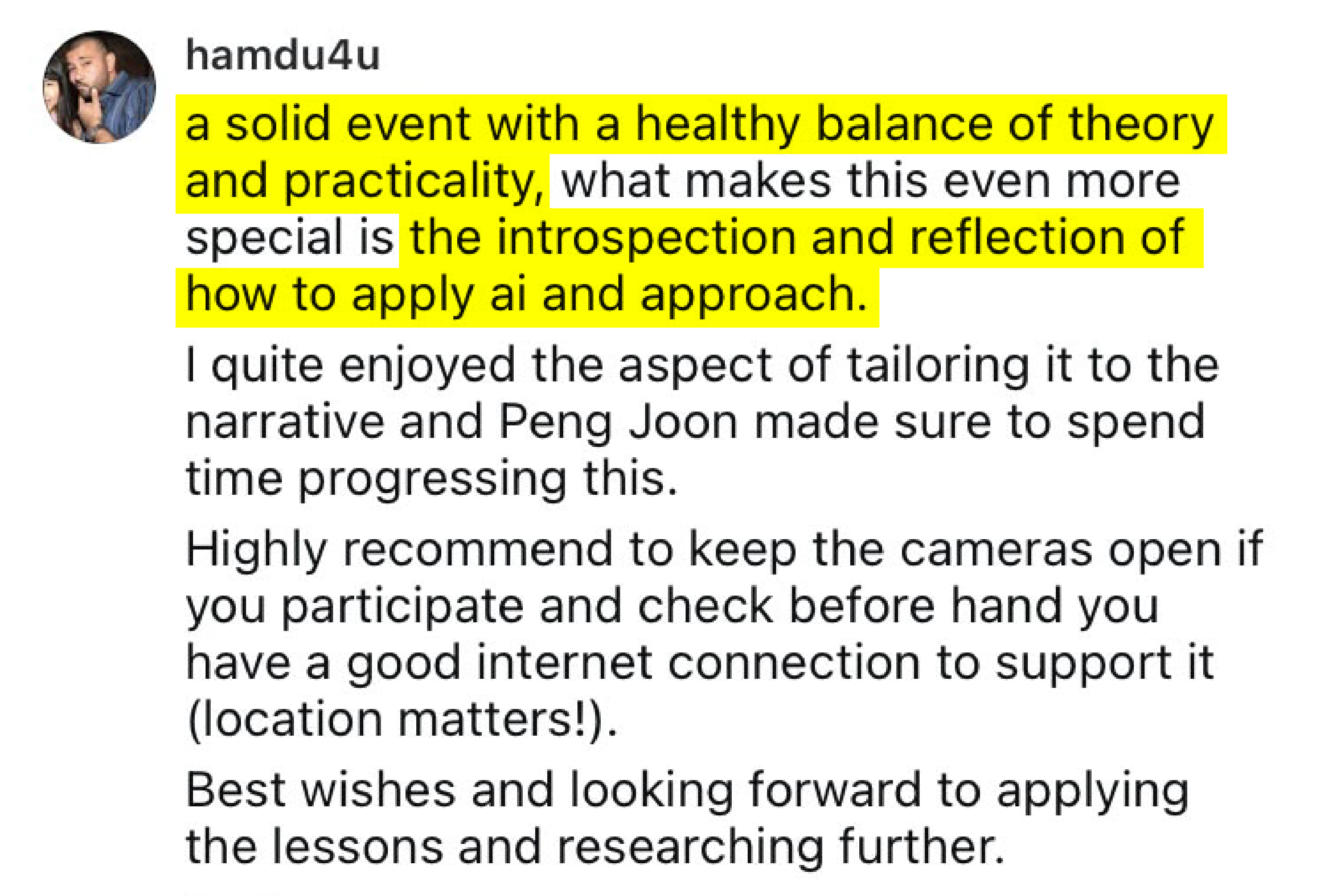
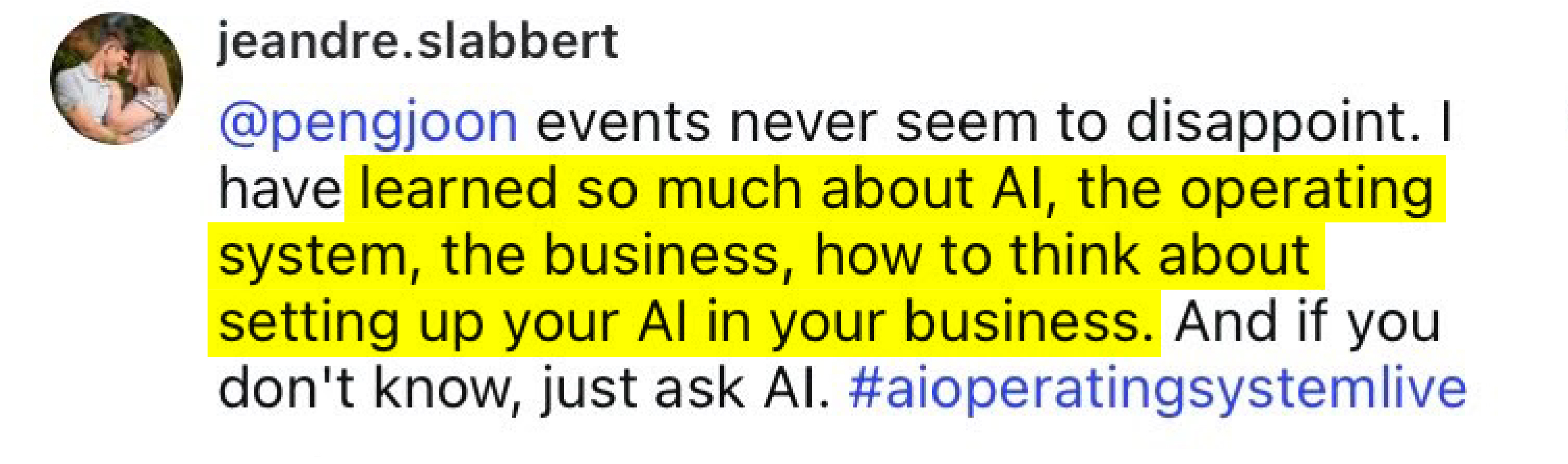
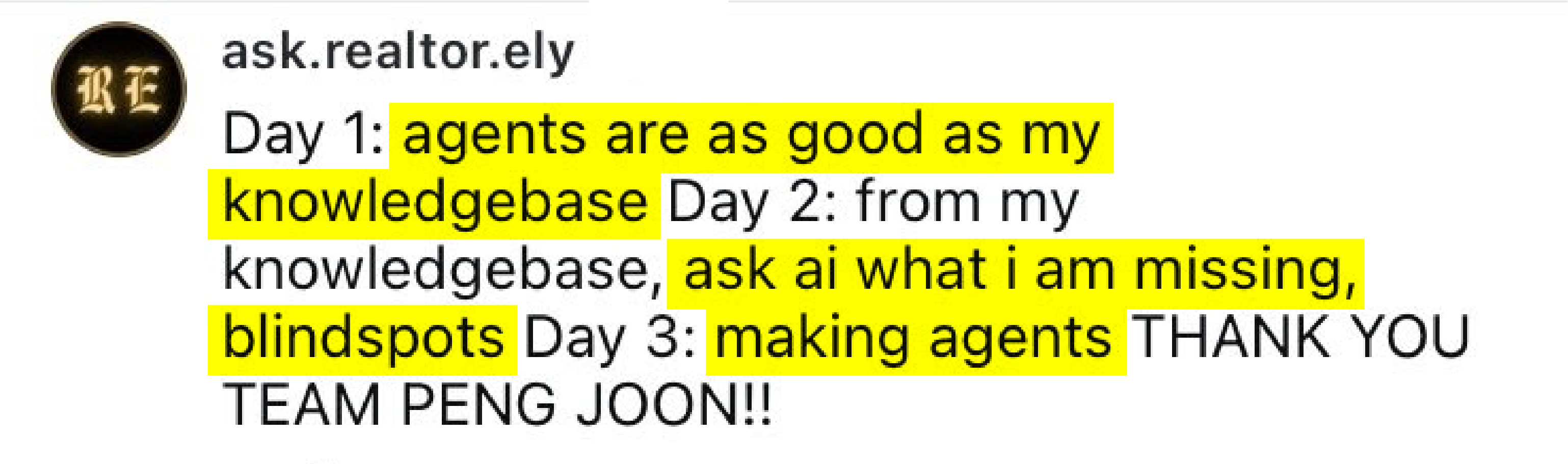
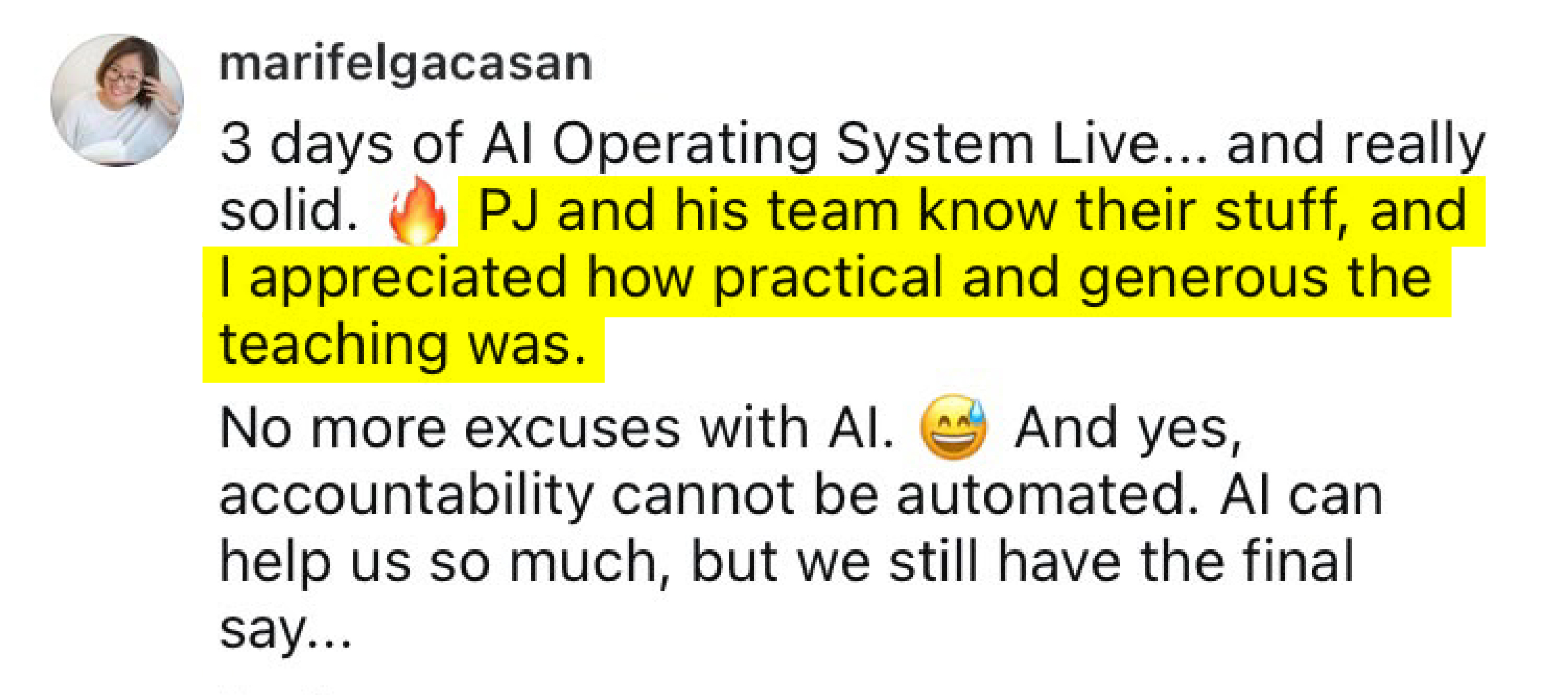
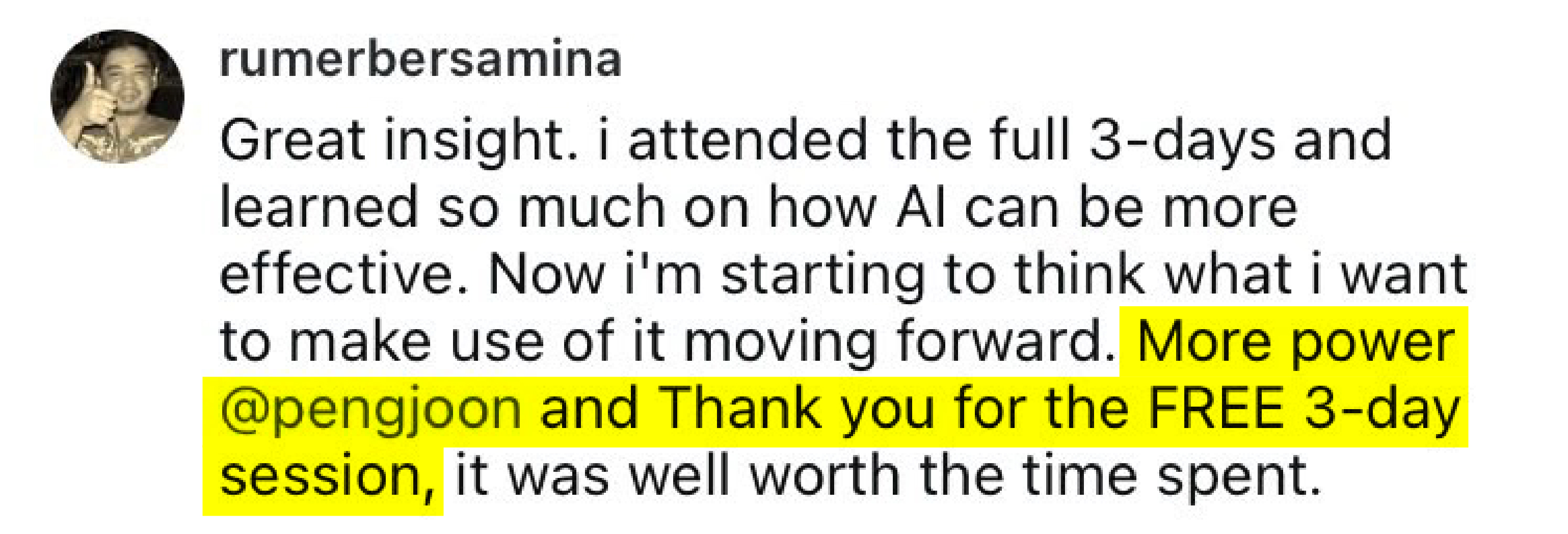
Here's What Others Have Said About The Previous Event...




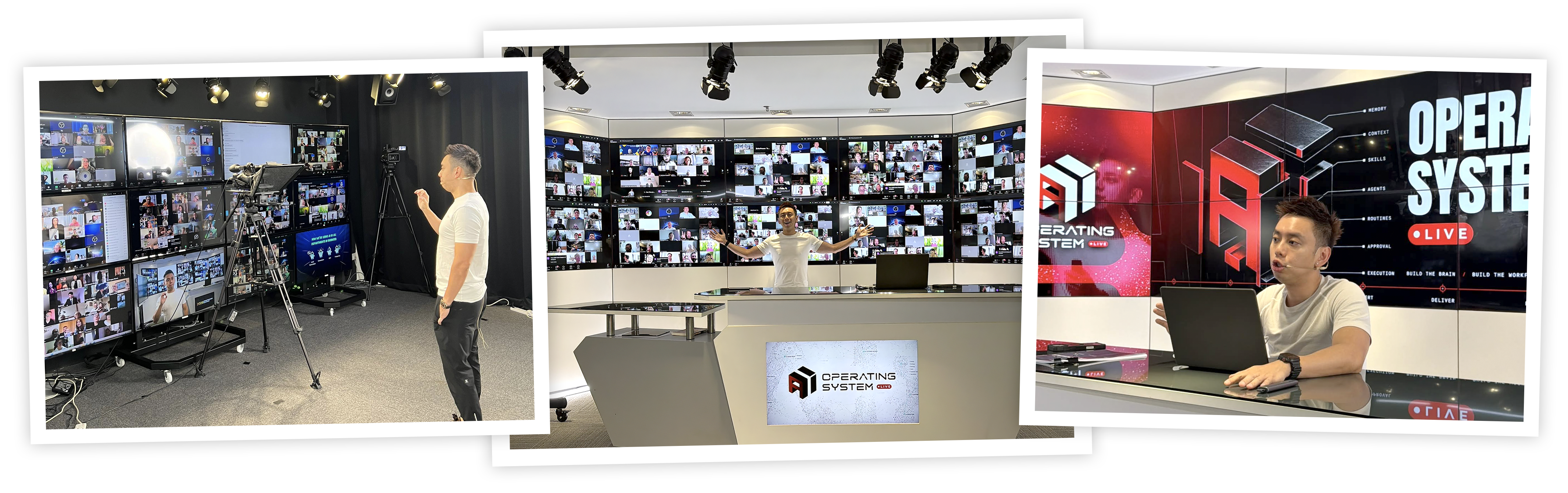
Over 3 days...
we're going to build this from the ground up.
Not theoretically. I'm going to show you the architecture.
Show you my systems. Show you what's working. Show you what we've learned from building this ourselves.
And most importantly... I'm going to help you see what this could look like inside YOUR business.
Build The Brain
How To Create AI That Actually Understands Your Business And Your Customers
Before you build agents... Before you automate anything... Before you let AI anywhere near your customers... It needs a brain.
On Day One, I'll show you how we're approaching AI memory and context. You'll see how to organize the knowledge of the company so AI isn't starting from zero every time you open a new conversation.
You should understand exactly what your business brain needs to know... ...where that information should live... ...and how business intelligence and customer intelligence come together.
“Who are we?”
Business memory. — “Who are we?”
Your offers. Your products. Your frameworks. Your voice. Your beliefs. Your SOPs. Your decisions. Your stories. Your intellectual property. Your way of doing things.
▾
Business memory. — “Who are we?”
Your offers. Your products. Your frameworks. Your voice. Your beliefs. Your SOPs. Your decisions. Your stories. Your intellectual property. Your way of doing things.
I'll show you how I use tools such as knowledge repositories and AI systems to create institutional memory.
“Who are they?”
Customer memory. — “Who are they?”
Who is this lead? Where did they come from? What have they bought? What did they click? Which emails did they open?
▾
Customer memory. — “Who are they?”
Who is this lead? Where did they come from? What have they bought? What did they click? Which emails did they open?
That's why we'll also explore how your CRM, customer history and behavioral data become part of the Customer Memory Layer of an AI-powered company.
The problem is context.
Skills. Decision-making. — how you think
And the difference between giving AI information... ...and teaching AI how you think.
▾
Skills. Decision-making. — how you think
And the difference between giving AI information... ...and teaching AI how you think.
Not just: “Here is what Peng knows.” But: “Here is HOW Peng thinks about this.”
Build The Workforce
Turn Your Business Intelligence Into Agents That Have Jobs, Skills And Responsibilities
Once you have the brain... Now we give it jobs. This is where AI agents start becoming interesting.
But I'm not interested in building agents because they look cool in a demo. I want agents with commercial responsibilities.
You'll see what your AI organizational chart could look like. You'll understand which jobs should remain human. Which jobs can be augmented. Which recurring tasks can become AI routines. And where agents could create actual leverage inside your business.
It needs a role.
And every agent needs more than a name. — It needs a role.
It needs a role. It needs context. It needs skills. It needs tools. It needs routines. It needs boundaries. And it needs to know when to involve a human.
▾
And every agent needs more than a name. — It needs a role.
It needs a role. It needs context. It needs skills. It needs tools. It needs routines. It needs boundaries. And it needs to know when to involve a human.
We'll explore how you move from: “AI, please do this.” to: “This is your responsibility.”
That means creating routines.
Daily routines. Weekly routines. — Triggered routines. Conditional routines.
This isn't about removing humans. It's about removing human dependency from work that should not require human initiation.
▾
Daily routines. Weekly routines. — Triggered routines. Conditional routines.
This isn't about removing humans. It's about removing human dependency from work that should not require human initiation.
It identifies stale opportunities. Finds leads that should have received follow-up. Surfaces prospects demonstrating buying intent. Prepares recommended next actions.
Approval gates.
We'll also talk about approval gates. — controlled autonomy
Some actions should be: AI observes. AI recommends. Human approves.
▾
We'll also talk about approval gates. — controlled autonomy
Some actions should be: AI observes. AI recommends. Human approves.
AI observes. AI executes within defined boundaries. Human receives the report. Good AI implementation isn't simply about autonomy. It's about controlled autonomy.
Build The Machine
Connect Your AI Workforce To An AI-Powered Sales Process That Actually Executes
This is where everything comes together. Because businesses don't make money because they have impressive agents. Businesses make money because customers move through a process.
AI should make that process smarter. Faster. More personalized. More consistent. And less dependent on somebody remembering what they're supposed to do next.
Not “AI for the sake of AI.” AI connected to revenue. That's the entire point.
We'll look at the complete customer journey.
A stranger becomes a lead. — A lead becomes a prospect.
A lead becomes a prospect. A prospect becomes a buyer. A buyer becomes a customer. A customer becomes a repeat customer. And perhaps eventually... ...an advocate.
▾
A stranger becomes a lead. — A lead becomes a prospect.
A lead becomes a prospect. A prospect becomes a buyer. A buyer becomes a customer. A customer becomes a repeat customer. And perhaps eventually... ...an advocate.
Where can AI think? Where can automation execute? Where should humans intervene?
Then what?
An agent can tell you: “You should follow up with this lead.” — Great. Then what?
Somebody still has to follow up. Somebody still has to update the CRM. Somebody still has to send the message. Somebody still has to move the opportunity.
▾
An agent can tell you: “You should follow up with this lead.” — Great. Then what?
Somebody still has to follow up. Somebody still has to update the CRM. Somebody still has to send the message. Somebody still has to move the opportunity.
Where are customers currently falling through the cracks? Where is revenue being left on the table?
Unless...
Your intelligence layer is connected to your execution layer. — that's what I want you to see
We'll explore how AI intelligence can interact with customer records, funnels, email, automation, calendars, pipelines and follow-up inside SalesProcess.
▾
Your intelligence layer is connected to your execution layer. — that's what I want you to see
We'll explore how AI intelligence can interact with customer records, funnels, email, automation, calendars, pipelines and follow-up inside SalesProcess.
I want to build as much of the system live as possible. An idea. Into an offer. Into messaging. Into a page. Into lead capture. Into CRM.